The German Palatines were in trouble. Life had become untenable. “The German Palatinate from 1700 to 1750 was a region defined by a history of conflict, hardship, and mass emigration. Years of war, especially the War of Spanish Succession, combined with harsh winters and economic decline, led to crop failures and a widespread desire to leave. This resulted in the mass migration of thousands of Germans, often called “Palatines,” who sought a better life in colonies like New York and South Carolina, frequently starting as indentured servants before eventually establishing their own communities.”1 In addition to New York and South Carolina, Pennsylvania was a significant landing spot for many German Palatine families. Out of the 190,000 immigrants Pennsylvania received in the 1700s, at least 100,000 were German Palatines.2

Their story is as much about German American assimilation as it is about how these German immigrants contributed to and impacted the shaping of America’s economic and cultural future. This is one family’s multi-generational story, beginning with my 5th great grandfather.
Adam Deitz – Germany, Salisbury PA, Wind Gap PA
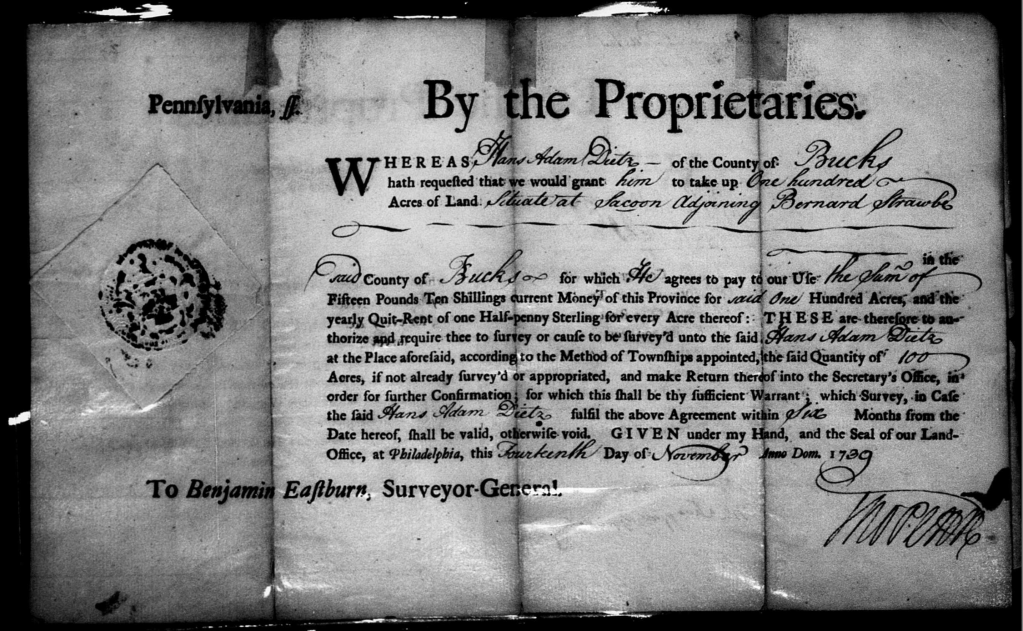
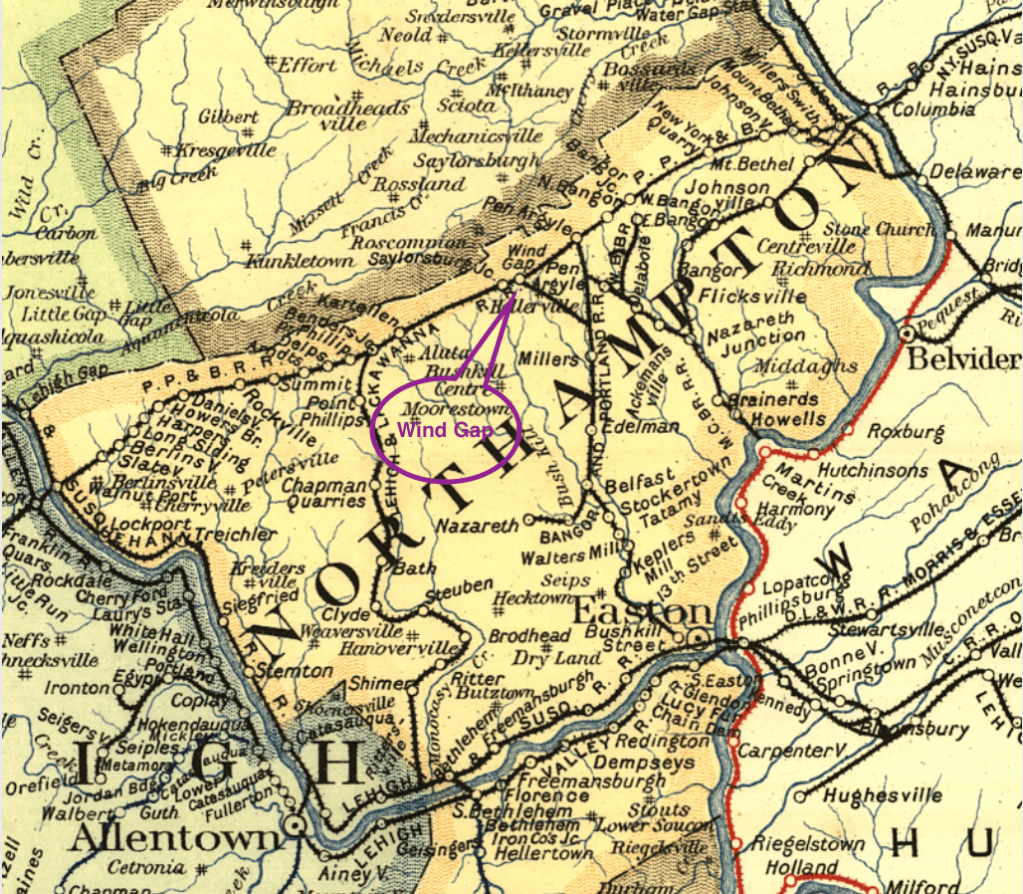
Adam Deitz (main historic phonetic spelling variants – Dietz, Ditz, Teets, Teeds, Deedts) and his family were German Palatine immigrants who arrived in Philadelphia in 1739 from Rotterdam via Cowes, England on the Loyal Judith.3 Like so many German immigrants upon arrival Adam Deitz and family quickly moved into southeastern Pennsylvania. The same year Adam Deitz arrived, he purchased 100 acres in Salisbury Township “situate on the Lehigh Hill at Sacoon”,4 which today is in the Lehigh Hill area near Saucon Creek. At the time this area was on the edge of wilderness and Indians.

The Deitz family lived in Salisbury Township for the next 12-13 years with seven more children born there, in addition to the six children that sailed with them from Germany.5 Many of the families living close to them were also German Palatines, such as the Dolls, the Hellers and the Stolz’s who all married a Deitz daughter.6


In 1750 Adam Deitz purchased another 100 acres but this time in Wind Gap Pennsylvania where there is an opening in the Blue Mountain ridge forming the most eastern part of the Poconos.7 Small settlements had sprung up along the ridge between Indian lands to the west and the eastern lands recently sold to the British by the Indians. Given the tenuous British land rights and the related Indian unhappiness with selling their lands, the British were very interested in establishing settlements as quickly as possible. Adam Deitz opened a tavern in Wind Gap as his land was located along significant cross-roads of the time. From his location road spokes emanated towards Easton, Pen Argle, Lancaster, and Ackermanville, along with the “wind gap” in the mountains towards Indian lands.8 In the same general timeframe, Casper Doll, Simon Heller and George Stotz (the three who married Deitz’s daughters) also purchased land in the Wind Gap, Plainfield Township area.

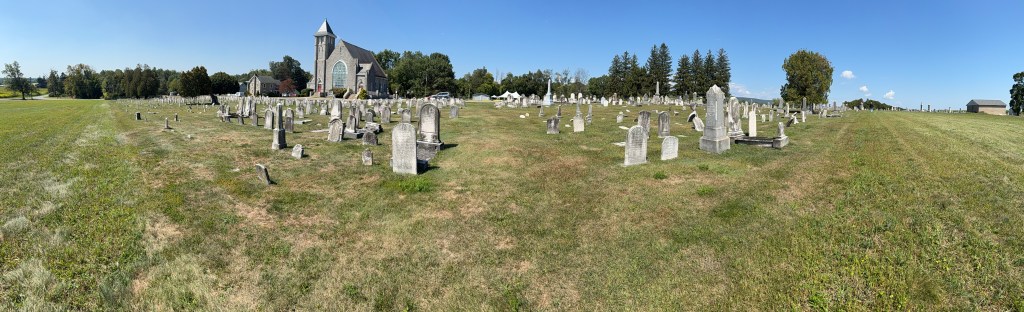
The Deitz family’s initial concerns were typical early settler priorities such as, clearing the land, building their home and tavern, while establishing a local church and school. In fact, Adam Deitz’s land purchase included a request “…that we would grant him to take up Twenty Five Acres of Land near George Berringer at the Blue Hills above the Forks of the Delware in Trust for the Calvinist Congregation there.“9 Unfortunately, Adam Deitz’s wife, Anna Maria Catharina Abel Deitz, died in 1753. She was laid to rest in the Plainfield cemetery that would ultimately be in front of the Reformed Congregational Church that Adam Deitz was so instrumental in supporting, along with Captain Casper Doll, the Deitz’s close neighbor and husband to Anna Margaretha Dietz.10 11 12 At the time Ernst Deitz, Adam and Anna Maria’s last living-to-adulthood child and my 4th great grandfather, was approximately 4-5 years old.13
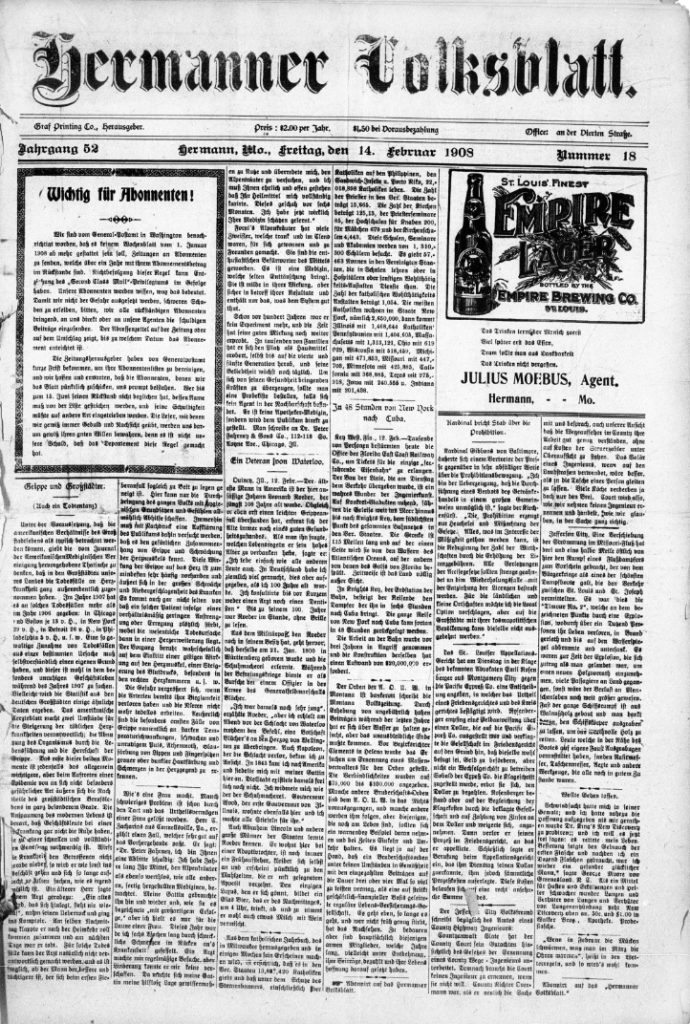
As a German community in America these German settlers continued to speak, read and write in German and worshipped in a German Reformed Congregation. Once established, the local newspapers were all in German and reflected German concerns.14 In effect, in colonial America they had recreated much of their German culture, including hard work and focus on family and religion.
By 1755 Indian animosity had reached a boiling point and they attacked settlers in Gnadenhütten, less than 30 miles from Wind Gap, murdering missionaries, men, women & children, burning down their homes, barns and killing livestock.15 This was the beginning of the French & Indian War in southeastern Pennsylvania (the French & Indian War officially started around the time of General Braddock’s defeat and death in southwestern Pennsylvania, also in 1755).16 17
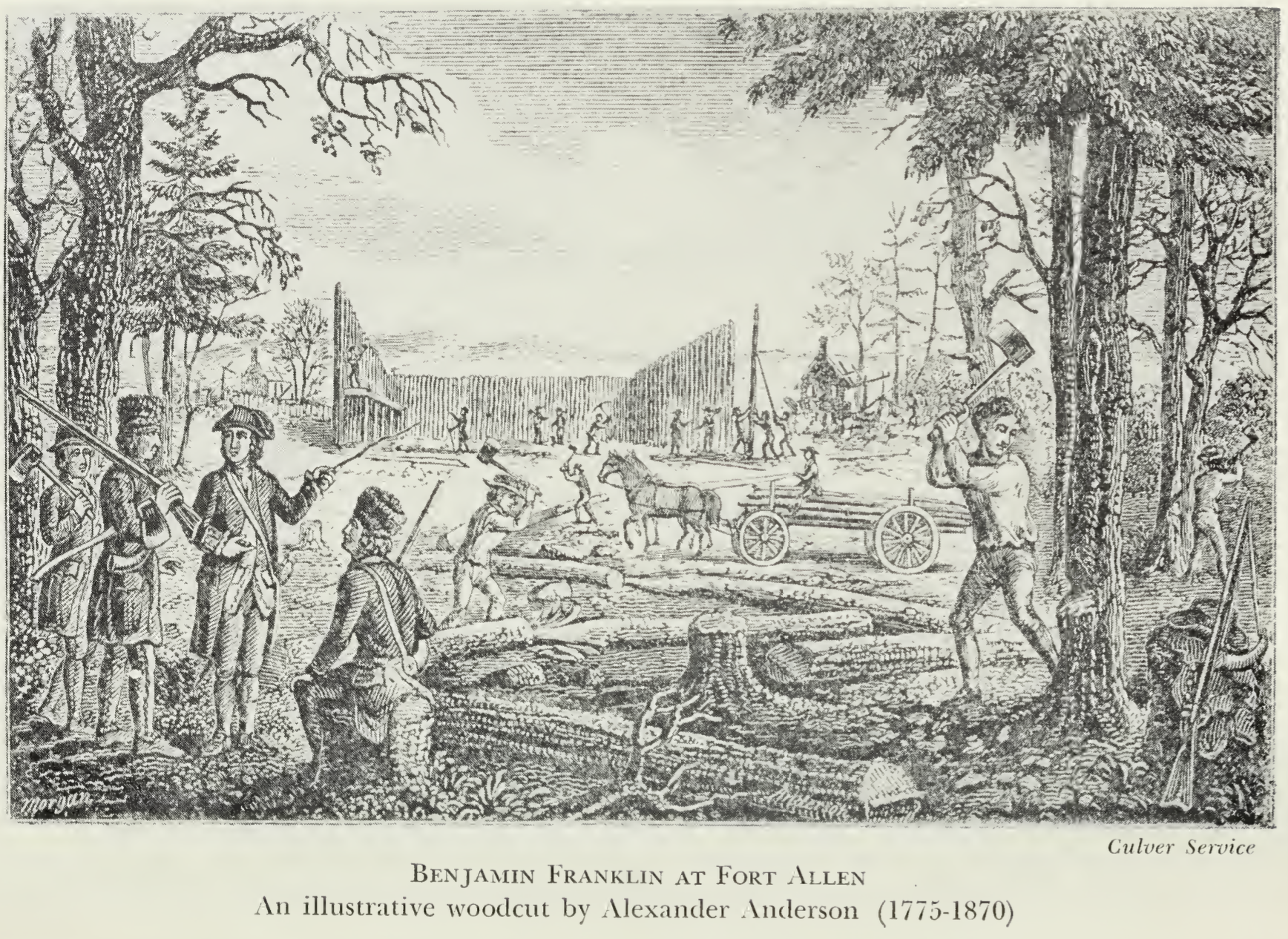
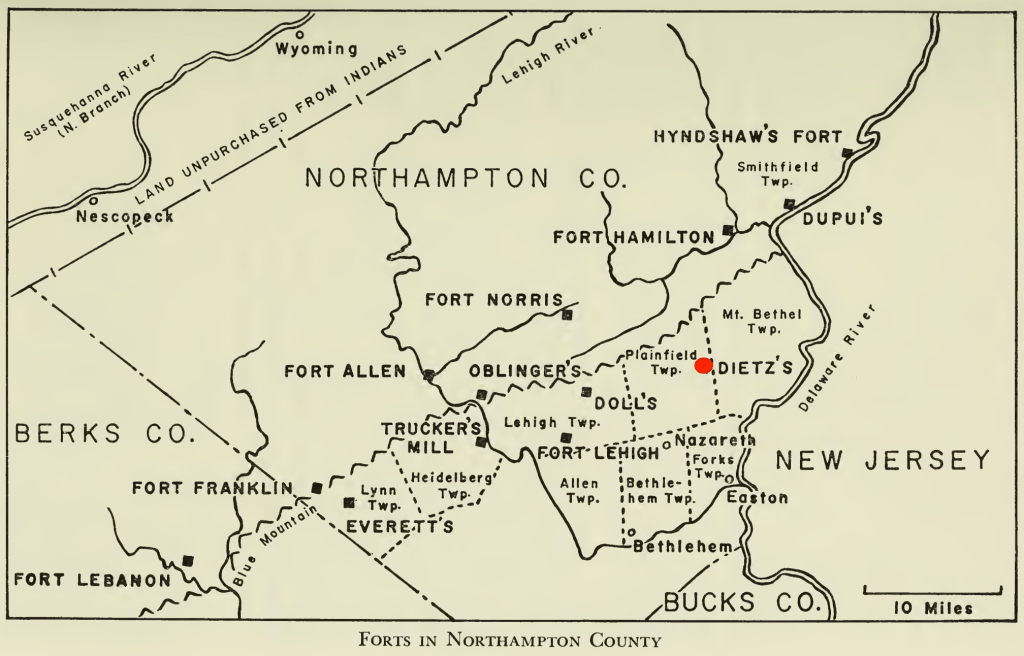
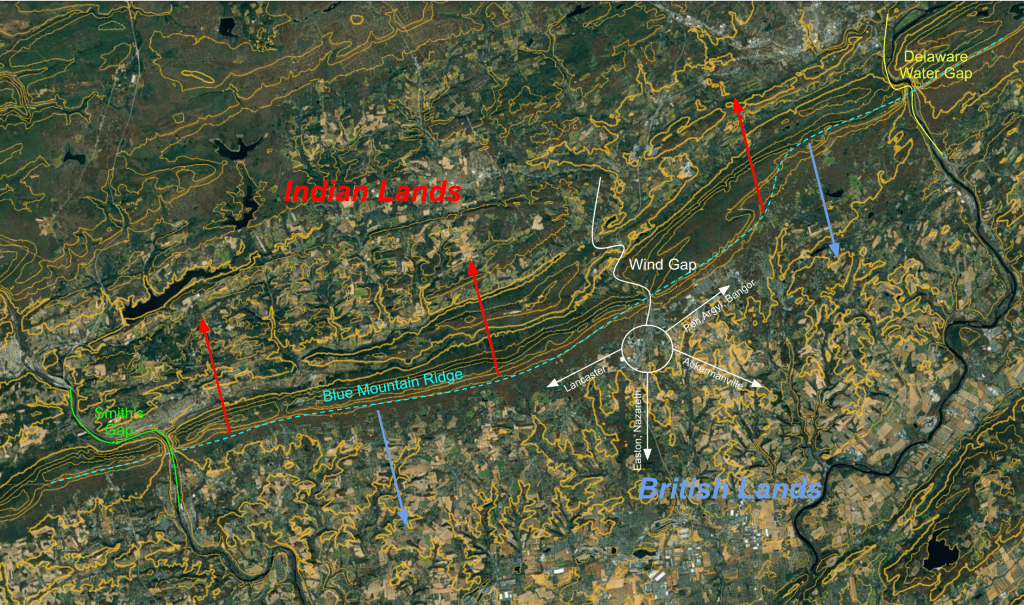
Panicked settlers began to fill the roads moving towards safer, more populated areas while begging Governor Morris to protect them and their homes.18 The Governor sent Benjamin Franklin to review the Frontier Forts in Pennsylvania and make recommendations and operationalize secure settlements along the Blue Mountains.19 Franklin made it clear to the settlers that they too would need to hold their ground and fight the Indians along with the militias in order to retain their homes and communities.20 Franklin also reset the fort configuration along the Blue Mountains by strategically locating forts and blockhouses where there were gaps in the Blue Mountain ridge that gave Indians easy access to attack settlements.21 Adam Deitz’s Wind Gap home was well located for this purpose and by 1756 became known as “Deitz’s Blockhouse” with militias stationed there for the next multiple years while the Indian hostilities continued. 22
Exactly what the Deitz family experienced during these times, as savages attacked settlements up and down the Blue Mountains and militias were stationed at their home, we don’t know. We do know that the Indian massacres in southeastern Pennsylvania continued until at least 1763.23 We can certainly hypothesize that towards the end of 1763 Adam Deitz had died. Militia leaders wrote Governor John Penn regarding Indian attacks and sightings, along with the status of each militia station during this period. In the early years they communicated the following, “Ensign Sterling with eleven men posted at Wind Gap, Teet’s house“, “Capt. Garroway with twenty-seven men at Diedt’s honse“, “Lient. Hyndshaw at Tead’s blockhouse “.24 However, by late 1763 Lewis Gordon, Esq., of Easton was ordered by the Governor to “Heller’s, late Teets’ Gap“25 and by June of 1764 “Capt. Rinker with thirteen men was posted at Simon Heller’s near Wind Gap” (Simon Heller was Adam Deitz’s son-in-law that purchased Deitz’s land after his death).26 Nonetheless, in the first half of 1763 Adam Deitz became an elder in the Reformed Congregation Church per Reverend Casper D. Weyberg, therefore, he likely died mid/late-1763.27
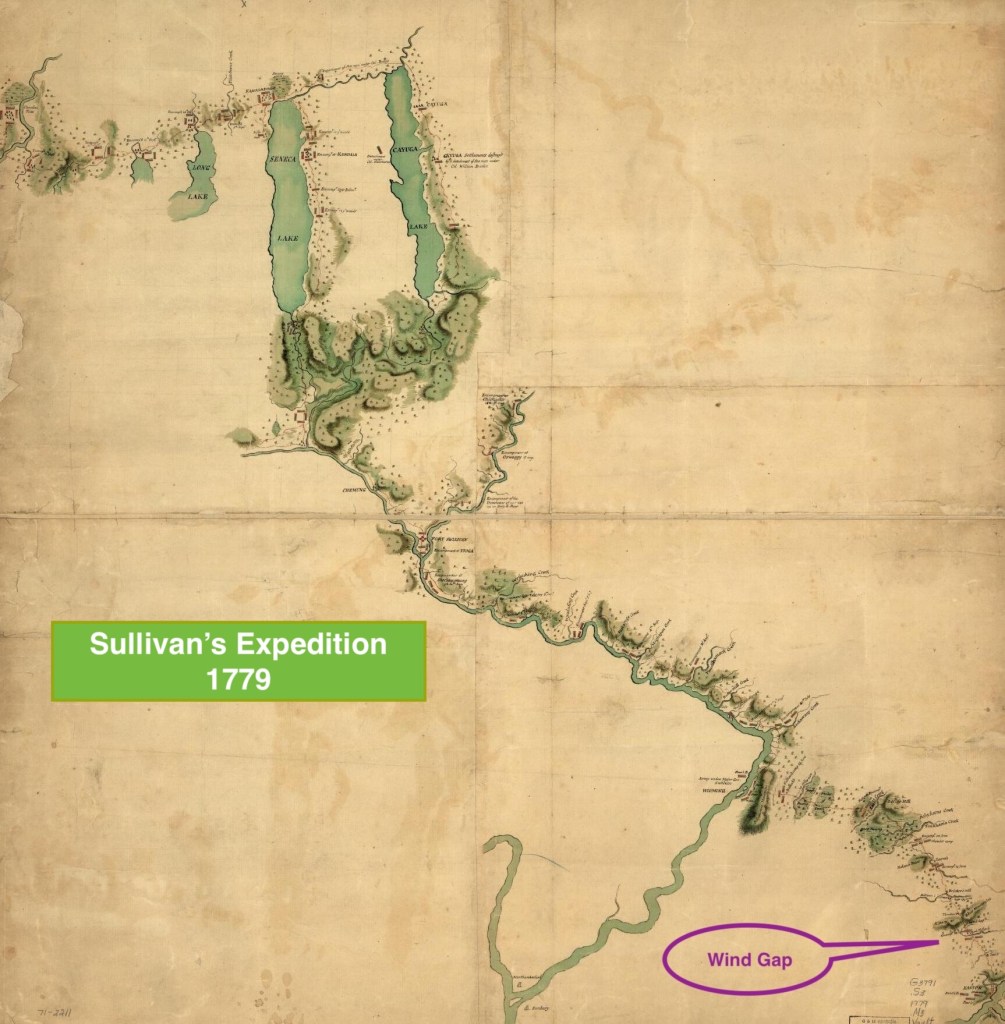
As an aside, the area near where Deitz’s Blockhouse stood in the 1700s was along the Indian path that crossed through the wind gap in the Blue Mountains. In 1779 it was the road taken by Sullivan’s Expedition during the Revolutionary War.28 By the 1800s a parallel path very close to Deitz’s land became the Bangor & Portland Railroad line.29 And today it is a rail-to-trail that we rode our bikes along while looking for Adam Deitz’s Wind Gap property.30 We rarely know how often we literally walk in/on the steps of our forefathers!


Ernst Deitz – Hagerstown MD, Elk Creek PA
By June 1771, Adam Deitz’s youngest son Ernst married Catherina Runckel (a first generation American with German Palatine immigrant parents) in Lancaster, PA.31 32 Some time after they marry Ernst and Catherina moved to Hagerstown, Maryland.33 At this same time there was a wave of German Palatines from southeastern Pennsylvania who did the same. The first record of Ernst Deitz and his wife in Hagerstown was for the baptism of their daughter, Anna Maria, in 1774.34
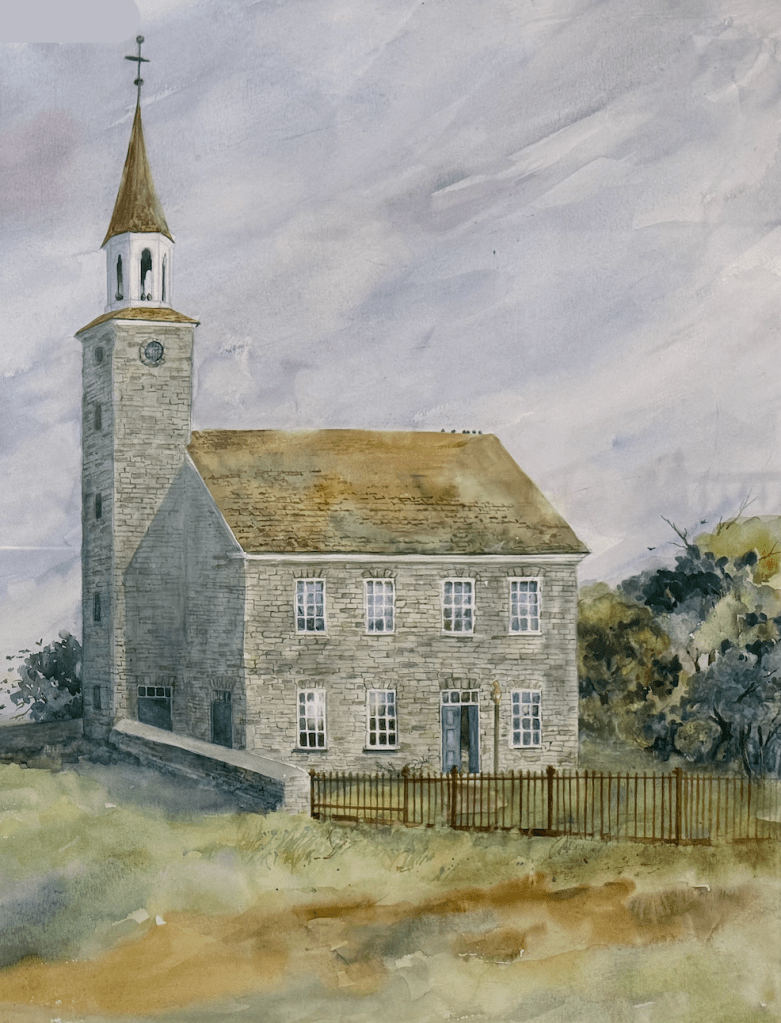
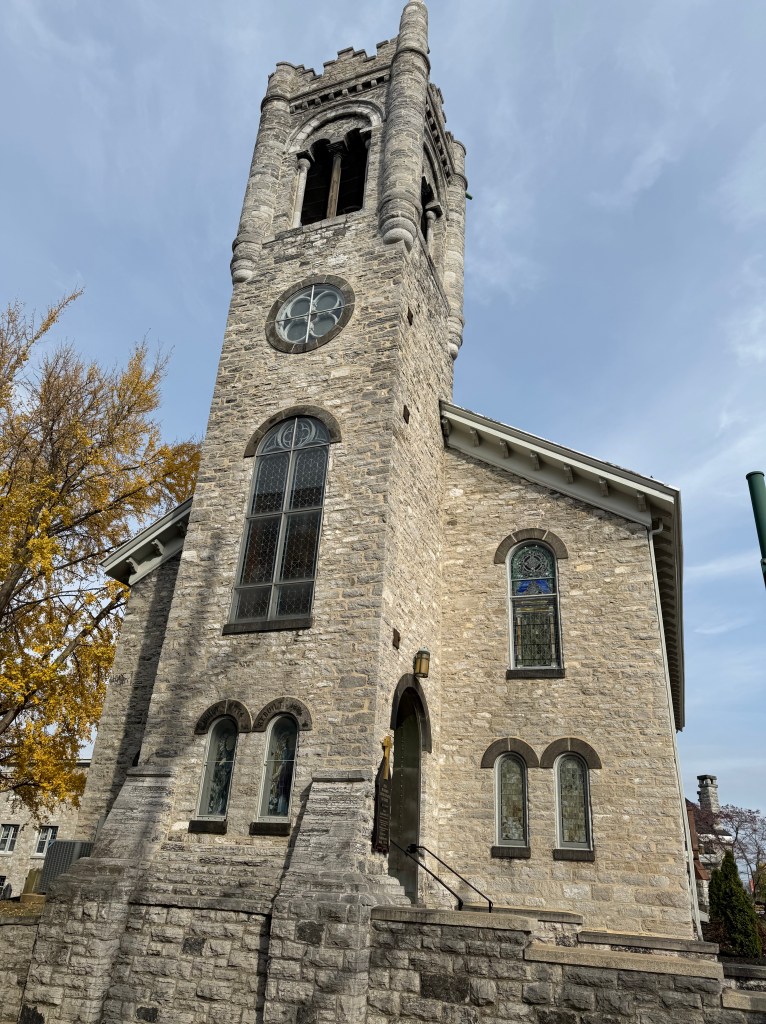

Ernst, like his father, was an early Reformed Congregation church member.35 Just as the Reformed Congregation church in Wind Gap conducted their services entirely in German, so did the Reformed Congregation church in Hagerstown.36 And similar to his father Ernst Deitz stood out, but in his case he was identified by the pastor as a “community leader” in the Hagerstown church and at another point a deacon.37 As established church members, every year or two Ernst and Catherina had another child baptized in their Hagerstown church. Hannah Deitz was Ernst and Catherina’s last child together. Catherina died in 1787, the same year as Hannah Deitz’s birth, possibly due to this same event. 38 Ernst remarried in approximately 1789 to Anna Maria, however, her surname is unknown. Per church records Ernst had four children with Anna Maria by 1796, all in Hagerstown.39
Ernst Deitz was not a farmer and tavern owner like his father, he was a gunsmith. His shop location was purchased from, and right next door to Jonathan Hager Jr.’s in-town residence (lot #90. Jonathan Hager Jr. was the son of the town founder Jonathan Hager Sr. His father died building the Reformed Congregation church when a heavy timber fell on him).40 41 42 In 1786 Deitz purchased a second in-town lot #358 where he likely established a home separate from his gunsmith shop.43

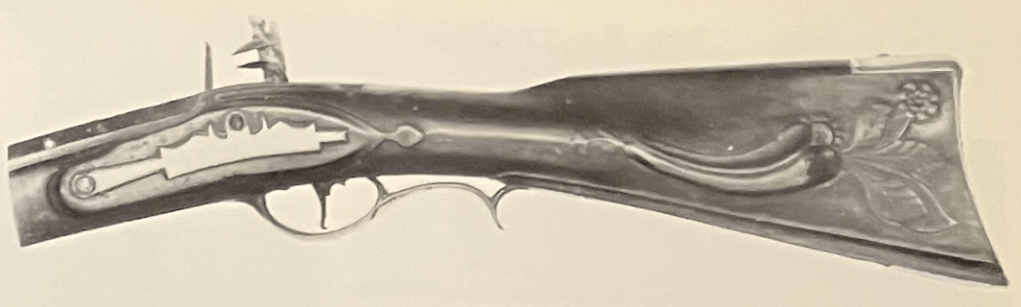
During much of his Hagerstown tenure Ernst Deitz was one of two gunsmiths.44 In fact, Ernst’s contribution to the Revolutionary War was to produce guns for Maryland’s patriot soldiers. His Revolutionary War record is recorded as follows: “DEITZ, Ernst. Took the Oath of Allegiance before the Hon. Henry Schnebley in 1778 … Rendered patriotic service by providing gunsmith work for the military and by supplying a rifle for Capt. Daniel Cresap’s Company in July, 1775, as recorded by the Committee of Observation at Elizabeth Town on November 4, 1775…, which listed the name as “Ernest Deeds”). Private, Militia, 7th Class, Capt. Peter Beall’s Company, 1st Battalion, 1776/1777 …, which listed the name as “Earnst Ditz”.45

Nonetheless, by the late 1700s – early 1800s there were five gunsmiths in Hagerstown.46 In 1798 Ernst Deitz sold his Hagerstown lots and business. His family and his children’s families removed to newly opened settlement lands in Erie County, Pennsylvania. Eli Colton, who married Elizabeth “Betsy” Deitz, is considered the first settler in Erie County. Right after his arrival Lieutenant George Haybarger, an officer in Oliver Hazard Perry’s military unit during the War of 1812 and Catherine Deitz’s husband, located in Elk Creek along with Ernst Deitz’s eldest son, John Deitz. 47 48 49
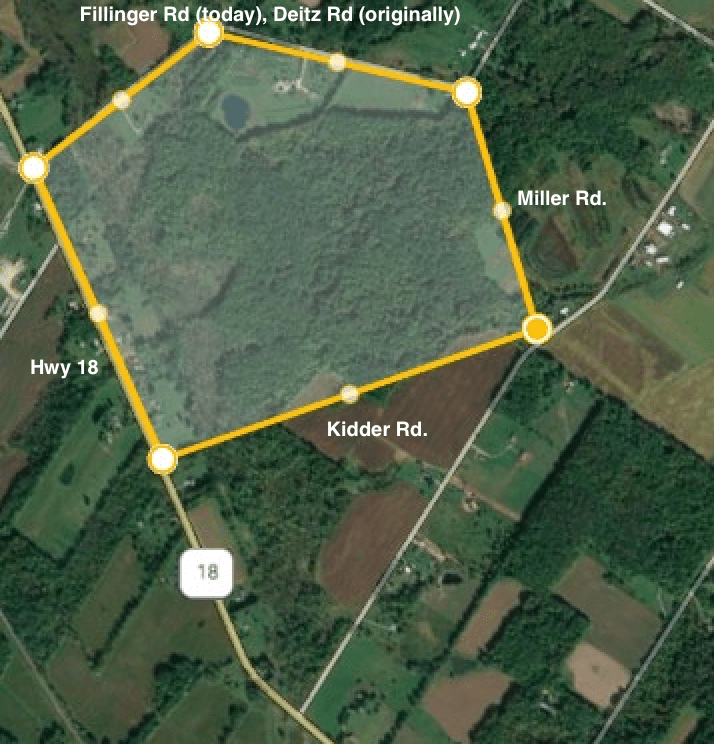
Ernst Deitz purchased 200 acres in Elk Creek Township, Erie County in 1798.50 The road partially surrounding his land was named Deitz Road (Fillinger Road today).51 Ernst Deitz’s children all began and expanded their own families in Erie. Out of Ernst’s nine children six produced offspring for a total of 45 grandchildren, thereby, adding multiple new surnames to the family, such as, Randall, Colton, Kidder, Turner, Tripp, Newton, Kennedy and Vance.52 Most of Ernst’s children and grandchildren lived in Elk Creek, or close by in Cranesville, Springfield, or Conneaut at least through the 1870s.53
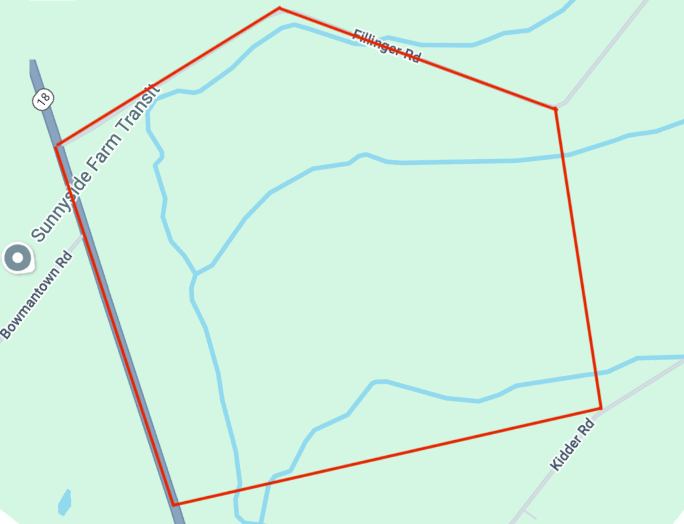
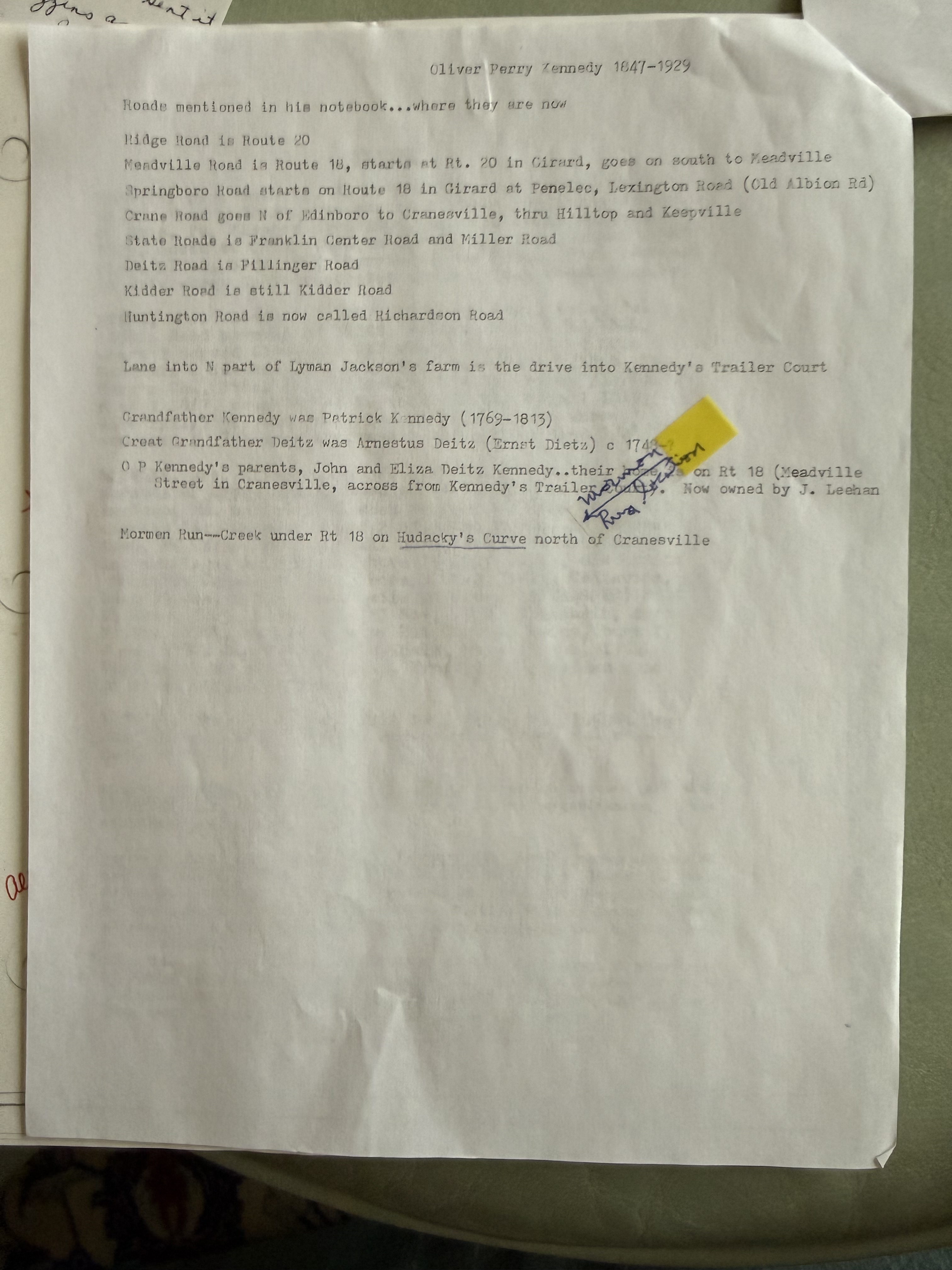
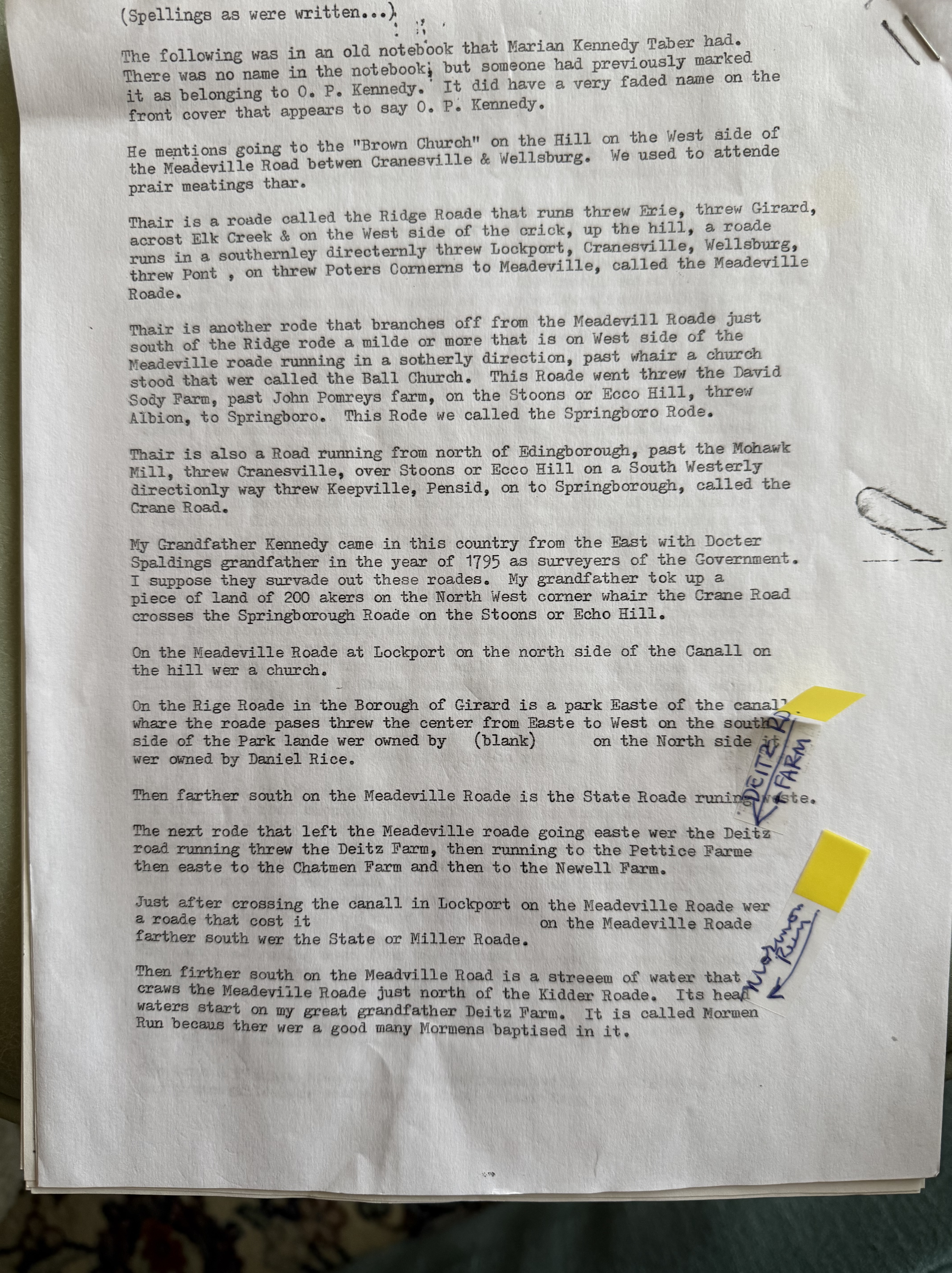
Per Oliver Perry Kennedy’s notes (an old-time resident who’s family is still living in Elk Creek area and a cousin through marriage), Ernst Deitz’s land included the “Mormon Run” where between 1830-40 many local Mormon converts were baptized at the headwaters of the East Branch Conneaut Creek, north of Cranesville. Ernst’s granddaughter Mary “Polly” Deitz Turner and her husband Marshall Turner were baptized into the Mormon religion there. They purchased Deitz’s land where the Mormon Run is located by 1834, though they had been living on the land since at least 1830.54 55 56 57
Fortunately, Ernst Deitz’s children and grandchildren (grandchildren included only if their Deitz parents had children but were deceased) jointly sold Ernst Deitz’s 200 acres between 1826 and 1834. Because of that there is a good accounting in the deed records for all Ernst’s living children and grandchildren with deceased parents.
According to the four deed records required to sell this land, Ernst’s remaining living children were: Catherine Haybarger, Adam Deitz, Betsy Colton, Hannah Newton, Jacob Deitz, and Susannah Vance. Ernst’s grandchildren with no living parent were: Samuel Deitz, Eve Tripp, Rosannah Randall and Julia Ann Deitz.58 Their likely parent was John Deitz because no other siblings were old enough to produce children born in the 1801-1807 timeframe that have not been accounted for already.59
Hannah Deitz Newton – Avon NY, Fowlerville NY

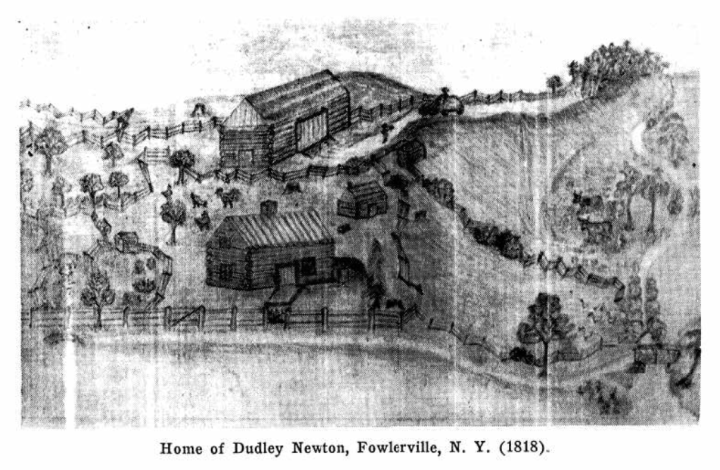
Ernst’s daughter Hannah, my 3rd great grandmother, was 12 when the Deitz family moved from Hagerstown to Erie County. However, as she matures we find her in Avon, Livingston County, NY where she is staying with her “Uncle Tripp”.60 It is there that she meets and marries Dudley Newton, a Methodist preacher whose 1st wife died the prior year. Dudley’s family has a very different immigration history than Hannah’s family as Dudley’s 2nd great grandfather came to America from England in 1639, almost exactly 100 years prior to the Deitz family arrival.61 62 Once married, Hannah lives out her life with Dudley, producing eight children while also caring for Dudley’s five children from his 1st wife.63
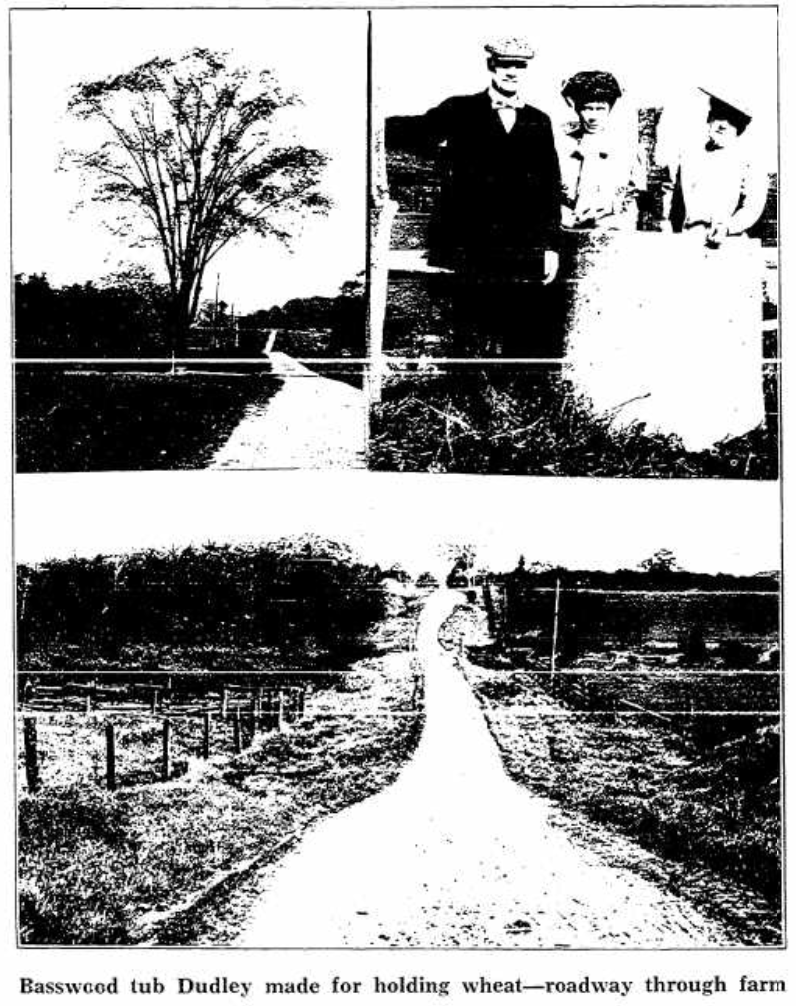
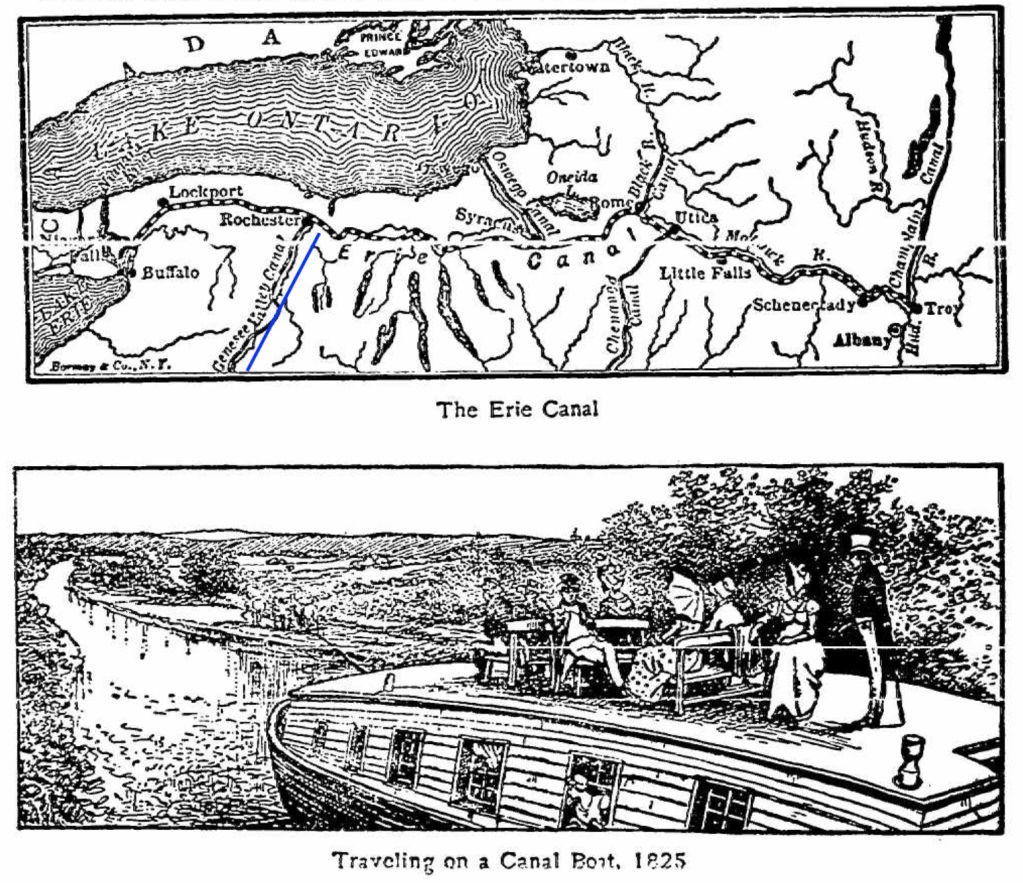
In so many ways Hannah seems to have lived an idyllic life – hard-working, close to nature, love of husband and family, a strong religious foundation, along with the beautiful adventures growing up and growing old can provide. For example, one of Hannah’s sons drew a picture of the family members located around their fireplace. Another son took a photo of their farm road and Dudley’s basswood tub (used for wheat, not a hot tub). Within a few miles of their farm the Genesee Valley Canal flowed into the Erie Canal allowing them to take produce to Rochester, New York starting in the evening and waking up in Rochester.68
One of Hannah’s children recalls their home, “At the left of the entrance was “mother’s loom” and there she spent many, many days weaving both linen and woolen cloth, in fact nearly all our wearing or every day apparel. On the west side of this shop, as we called it, father kept all his pork barrels, etc. Many hours I have spent in the old shop, quiling spools for mother’s shuttle, while she was weaving. Just back of this building was a sort of board shed for housing a one-horse wagon...Grain was cut in my day mostly with cradles and all bound in bundles. Father would cut four acres of wheat in a day and I have bound it after him many a day. Three acres was considered a good days work. He was a fast cradler and did it easy…Since my early recollection, father had at the east barn a threshing machine and the wheat was threshed in the barn. I have helped to thresh oats with the fail, also with horses treading out the grain. Small crops of oats were at that time mostly threshed with flails.“65
An interesting aspect Hannah’s core interests is shown when Hannah and Dudley visited Erie. Dudley preached to Hannah’s Erie friends and family. Hannah was thrilled Dudley demonstrated to her family and Erie friends that she married such a capable and skilled preacher as Dudley.
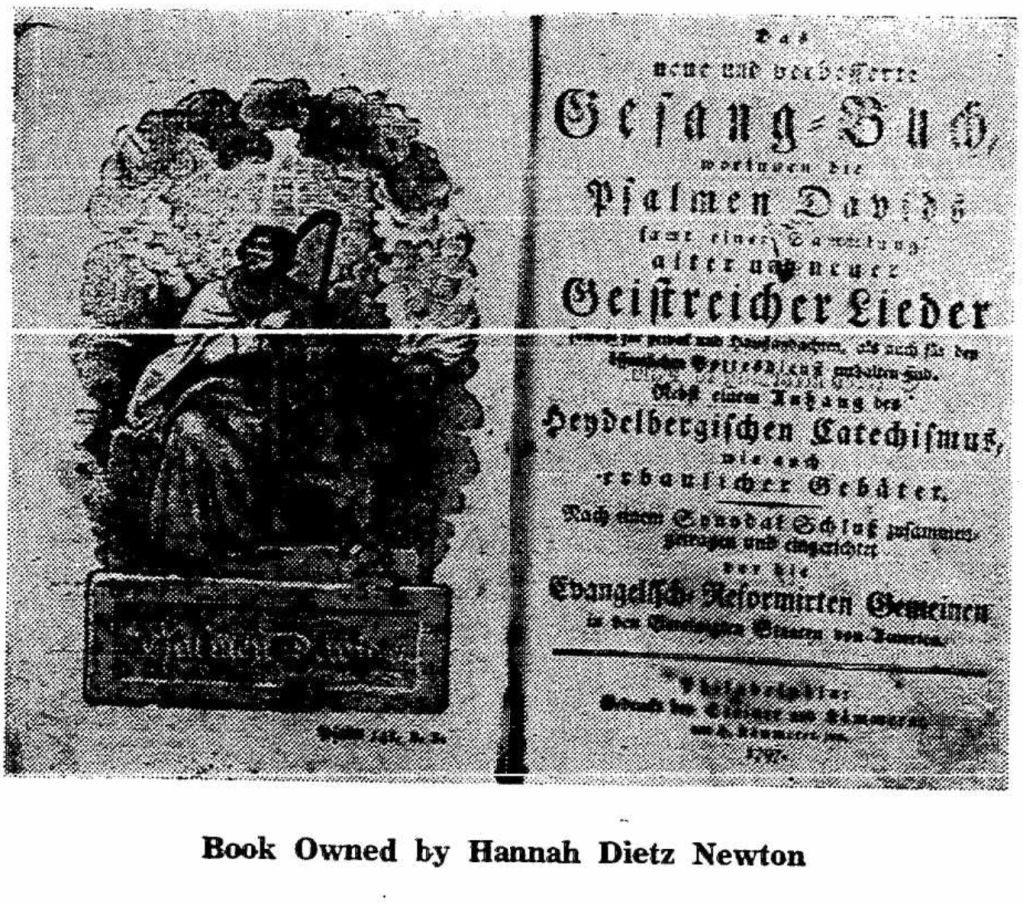
It is also interesting to note that Hannah was likely fluent in German and English as one of her books was fully in German and her husband was an English American.70
Deitz’s 3 Generations – Immigrants to Americans
So in three generations the Deitz family in many ways had shifted from German Palatine immigrants to assimilated Americans. The first two generations wrote, read and spoke in German. They were highly committed to the German Reformed Congregational Church, lived relatively close to their German brethren, and demonstrated their solid German work ethic and skills in all their endeavors.
By the 3rd generation Hannah marries a Methodist preacher outside of the German Reformed Congregation. Yet, she is apparently just as religious and devoted to Christianity as her parents and grandparents but in a different Protestant denomination. In addition, Hannah reads, writes and speaks in English and German. When she marries Dudley Newton, a 4th generation English American, she lives in a more heterogenic community without the same German dominance of her father’s and grandfather’s generations. Living in Fowlerville, New York for the remainder of her life, she was surrounded by English Americans that had already assimilated over generations.
Nonetheless, assimilation is a two-way street. The German Palatine immigrants brought with them a culture that notably respected hard-work and skilled craftsmanship. In effect, the “work bar” was set quite high by these German immigrants. Not that English Americans were less hard-working, just that the focus on work was certainly not diluted by the German arrivals, and likely enhanced if anything. Skilled craftsmen, like many of the German immigrants, were always appreciated as each thriving town required proximity to millers, blacksmiths, educators, religious leaders, land surveyors, lawyers, shoemakers, doctors, etc. The German immigrants brought many of these skills with them to America, or learned them as needed once in America, like Ernst’s gunsmith occupation.
Like so many newly arrived American immigrants, the German Palatines left a home country that had tremendous hardships and came to a place with its own hardships. The difference seemingly more about being on a hopeful journey that improves for each generation over one that remains only hardship. The three generation Deitz family story is a great example of the “American melting pot” at work, where immigrants both influence the melting pot and the melting pot influences the immigrant.

© Elizabeth Scott Wright, 2026
Footnotes (includes genealogical proofs as needed)
- Cobb, Sanford Hoadley, The story of the Palatines. An episode in colonial history, New York & London, G. P. Putnam’s son, 1897, pg 59 ↩︎
- https://en.wikipedia.org/wiki/Palatines ↩︎
- “U.S. and Canada, Passenger and Immigration Lists Index, 1500s-1900s”, https://www.ancestry.com/search/collections/7486/records/3144912?tid=&pid=&queryId=a1c4c90d-3f54-4564-a178-cf5f02481ae3&_phsrc=siv11433&_phstart=successSource ↩︎
- “Bucks, Pennsylvania, United States records,” images, FamilySearch (https://www.familysearch.org/ark:/61903/3:1:3Q9M-CSY3-14D2?view=explore : Jan 7, 2026), image 882 of 1469; . Image Group Number: 008351484 ↩︎
- https://theboatinggenealogists.com/wp-content/uploads/2026/01/adam-deitz-family-group-sheet.pdf ↩︎
- https://theboatinggenealogists.com/wp-content/uploads/2026/01/adam-deitz-family-group-sheet.pdf ↩︎
- “Bucks, Pennsylvania, United States records,” images, FamilySearch (https://www.familysearch.org/ark:/61903/3:1:3Q9M-CSY3-1HCJ?view=explore : Jan 7, 2026), image 1025 of 1469; . Image Group Number: 008351484 ↩︎
- Richards, Dr. H.M.M., Indian Forts of the Blue Mountains, Northampton Historical Society, Easton, PA, pg 9-12 (from at Sigal Museum) ↩︎
- “Bucks, Pennsylvania, United States records,” images, FamilySearch (https://www.familysearch.org/ark:/61903/3:1:3Q9M-CSY3-1HCJ?view=explore : Jan 7, 2026), image 1025 of 1469; . Image Group Number: 008351484 ↩︎
- https://www.findagrave.com/memorial/35463151/anna-catharine-dietz?_gl=1*3v7s6s*_gcl_au*MTE5MTg5Njk0LjE3NjM1NjE1NjE.*_ga*MTU2NTY0NzE0NC4xNzU1NzM1MjQ0*_ga_4QT8FMEX30*czhkMTcyNzRiLTJkOGItNDQwMC1iM2MzLTIxY2E5MGNjZTAwMCRvMjI5JGcxJHQxNzY3ODg2NjA0JGo0MiRsMCRoMA..*_ga_LMK6K2LSJH*czhkMTcyNzRiLTJkOGItNDQwMC1iM2MzLTIxY2E5MGNjZTAwMCRvMjMwJGcxJHQxNzY3ODg2NjA0JGo0MiRsMCRoMA.. ↩︎
- https://theboatinggenealogists.wordpress.com/wp-admin/upload.php?item=3453 ↩︎
- Short Proof: Another Adam Deitz in SE PA region during 1725-1770 timeframe. Some family genealogists are mixing an Adam Deitz newly arrived in 1757 and married to Sibella Dorothea with Adam Deitz that arrived in 1737 married to Catherina Abel. See arrival record: https://theboatinggenealogists.wordpress.com/wp-admin/upload.php?item=3451 ↩︎
- Maryland U.S., Colonial Census, 1776, https://www.ancestry.com/search/collections/4247/records/3146?tid=54200939&pid=26036454813&ssrc=pt ↩︎
- Ben Franklin’s German-Language Newspaper, Steve Moyer
HUMANITIES, November/December 2014, Volume 35, Number 6 ↩︎ - https://en.wikipedia.org/wiki/Gnadenh%C3%BCtten_massacre_(Pennsylvania) ↩︎
- https://www.mountvernon.org/george-washington/french-indian-war?gad_campaignid=257417591&gad_source=1&gbraid=0AAAAADye4kHc_j1zHGy5SBFGxE1D10Lpd&gclid=EAIaIQobChMIwNWf4Yf1kQMViTIIBR1P_BgWEAAYASAAEgInNfD_BwE ↩︎
- https://en.wikipedia.org/wiki/Penn%27s_Creek_massacre ↩︎
- *SE PA populations filling roads and asking governor for help ↩︎
- Richards, Henry M.M., The Frontier Forts of Northampton County, Northampton Historical Society, Easton PA, pg 6 (located at Sigal Museum) ↩︎
- http://www.benjamin-franklin-history.org/pennsylvania-volunteer-militia/#:~:text=By%201755%20the%20French%20Indian,and%20for%20Penn%20estates%20taxation. ↩︎
- http://www.benjamin-franklin-history.org/pennsylvania-volunteer-militia/#:~:text=By%201755%20the%20French%20Indian,and%20for%20Penn%20estates%20taxation. ↩︎
- Richards, Henry M.M., The Frontier Forts of Northampton County, Northampton Historical Society, Easton PA, pg 8 (located at Sigal Museum) ↩︎
- https://www.lykensvalley.org/french-and-indian-war-south-of-the-blue-mountain/ ↩︎
- Reichel, William Cornelius, A Red Rose from the Olden Time, Hansebooks, 2017, pg 21 ↩︎
- Reichel, William Cornelius, A Red Rose from the Olden Time, Hansebooks, 2017, pg 21 ↩︎
- “Wilkes-Barre, Luzerne, Pennsylvania, United States records,” images, FamilySearch (https://www.familysearch.org/ark:/61903/3:1:3Q9M-CSZC-G9JP-G?view=explore : Jan 7, 2026), image 674 of 712; . Image Group Number: 007939342 ↩︎
- https://www.ancestry.com/mediaui-viewer/collection/1030/tree/54200939/person/190074095091/media/981073b8-eda5-4c01-83f8-2c1a17f4b7b9?galleryindex=22&sort=-created; “Lehigh, Pennsylvania, United States records,” images, FamilySearch (https://www.familysearch.org/ark:/61903/3:1:3QSQ-G9Z9-ZG22?view=explore : Jan 7, 2026), image 1144 of 1663; . Image Group Number: 007437773 ↩︎
- https://www.nps.gov/articles/000/the-clinton-sullivan-campaign-of-1779.htm ↩︎
- https://www.west2k.com/pastations/northampton.shtml ↩︎
- https://theboatinggenealogists.wordpress.com/wp-admin/upload.php?item=3456, Wind Gap / Plainfield Township trail picture taken September 2025 ↩︎
- Pennsylvania, Marriage Records, 1700-1821, Ancestry.com, pg 249 ↩︎
- Short hypothesis: Catherina Runckel is possibly Ernst Deitz’s 1st wife, therefore, potentially NOT Catherina Koontz. Rationale: Catherina Koontz is documented as Ernst Deitz 1st wife in History of the Newton families of colonial America : with American history of family interest not obtainable elsewhere, Vol II, by Clair Alonzo Newton, Naperville, IL, published in 1927 on pg 175 — however, NO primary records are listed or found and dates do not align for any other associations; Catherina Runckel is documented as Ernst Deitz 1st wife in Ralph Hemmenway of Roxbury, Mass., 1634 : and his descendants by Clair A. Newton Hemmenway [the SAME author as the Newton book], Naperville, IL, published in 1932, pg 18 — so did Clair Newton Hemmenway correct her prior work?; also, there is a primary source marriage record for Ernst Deitz and Catherina Runckel with groom’s father listed as Adam Deitz (Pennsylvania, Marriage Records, 1700-1821, Ancestry.com, pg 249); (“Pennsylvania, County Marriages, 1775-1991”) https://theboatinggenealogists.com/wp-content/uploads/2026/01/ernst-deitz-marriage-record-to-catharina-runckel.png; so though many family trees include Koontz or Runckel as Deitz’s wife I am using Runckel in this blog given the higher probability. Note: Ancestry.com. North America, Family Histories, 1500-2000 [database on-line]. Provo, UT, USA: Ancestry.com Operations, Inc., 2016. also includes Catherina Koontz as Ernst Deitz’s wife, however, this record copies directly from Clair Newton’s work so is NOT a primary source document. ↩︎
- https://theboatinggenealogists.wordpress.com/wp-admin/upload.php?item=3445 ↩︎
- https://theboatinggenealogists.wordpress.com/wp-admin/upload.php?item=3445 ↩︎
- Williams, Thomas CJ, A history of Washington County, Maryland from the earliest settlements to the present time, including a history of Hagerstown, OHN M. RUNK &. L. R. TITSWORTH, 1906, pg 392-3 ↩︎
- Hagerstown Reformed Congregation church services in German ↩︎
- Zion Reformed Church Brief History – Ernst Deitz noted as Leader of community 1787, pg 109 (pamphlet located at Zion Reformed Church ↩︎
- Short proof: Reformed Congregation in Hagerstown records Ernst and Catherina Runckel Deitz’s children’s baptisms through 1787, after that date all baptisms with Ernst Deitz have his 2nd wife’s name Anna Maria (surname unknown) (https://theboatinggenealogists.wordpress.com/wp-admin/upload.php?item=3444 , https://theboatinggenealogists.wordpress.com/wp-admin/upload.php?item=3445) ↩︎
- https://theboatinggenealogists.wordpress.com/wp-admin/upload.php?item=3444 ↩︎
- https://theboatinggenealogists.wordpress.com/wp-admin/upload.php?item=3458 ↩︎
- https://theboatinggenealogists.com/wp-content/uploads/2026/01/ernst-deeds-washington-county-land-record-1782-c-309-311-1.pdf ↩︎
- Scharf, John William, History of western Maryland : being a history of Frederick, Montgomery, Carroll, Washington, Allegany, and Garrett counties from the earliest period to the present day ; including biographical sketches of their representative men, Philadelphia : L. H. Everts, 1882, pg 1093 ↩︎
- https://theboatinggenealogists.com/wp-content/uploads/2026/01/ernst-deitz-1786-washington-county-land-record-d-713-715-2.pdf ↩︎
- https://theboatinggenealogists.wordpress.com/wp-admin/upload.php?item=3458 ↩︎
- Penden, Henry C. Jr, Revolutionary War Patriots of Washington County Maryland: 1776-1783, Willow Bend Books Westminster, Maryland, pg 93-4 ↩︎
- An Index to Hagerstown Newspapers: 1797-1804, pg 102 (see Washington County Historical Society library) ↩︎
- Nelson’s biographical dictionary and historical reference book of Erie County, Pennsylvania, SB Nelson, Erie PA, 1892, pg 292 ↩︎
- Bates, Samuel, and all, History of Erie County, Pennsylvania: Containing a history of the county; its townships, towns, villages, schools, churches, industries, Warner, Beers & Co., Chicago, 1884, pg 770 https://www.google.com/books/edition/History_of_Erie_County_Pennsylvania/zA4G7M-MecgC?hl=en&gbpv=1&bsq=Haybarger ↩︎
- Erie County settler life described – Whitman, Benjamin, Nelson’s Biographical Dictionary and historical reference book of Erie County, Pennsylvania : containing a condensed history of Pennsylvania, of Erie County, and of the several cities, boroughs and townships in the county also portraits and biographies of the governor’s since 1790, and of numerous representative citizens, Erie, Pa. : S.B. Nelson, 1896, pg 114-5, https://theboatinggenealogists.com/wp-content/uploads/2026/01/nelsons-biographical-dictionary-on-early-life-in-erie-county.pdf ↩︎
- See footnote #66 when Ernst Deitz’s land is sold, original deed missing ↩︎
- Family document kept by Kay Vogt (Kennedy/Pomeroy descendant and my cousin in Cranesville, PA: https://theboatinggenealogists.com/wp-content/uploads/2026/01/mormon-run-location-per-oliver-p-kennedy-road-name-changes.jpeg ↩︎
- https://theboatinggenealogists.wordpress.com/wp-admin/upload.php?item=3439 ↩︎
- 1850 & 1860 US Census’ for Elk Creek Township, Cranesville, Springfield, and Conneaut ↩︎
- Mentioned 3 times in family documents kept by Kay Vogt (Kennedy/Pomeroy descendant and my cousin in Cranesville, PA as follows: (a) https://theboatinggenealogists.com/wp-content/uploads/2026/01/likely-o.p.-kennedy-recollections-including-mormon-run-deitz-farm-location.jpeg (b) https://theboatinggenealogists.com/wp-content/uploads/2026/01/mormon-run-location-per-oliver-p-kennedy-road-name-changes.jpeg (c) https://theboatinggenealogists.com/wp-content/uploads/2026/01/ernst-deitz-family-group-sheet-with-comments-at-bottom.jpeg ↩︎
- Bills, Cheryl Harmon, ERIE 2, 1996, pg 9, https://archive.org/details/ERIE2/page/n17/mode/2up?q=Turner ↩︎
- Demonstrate how Marshall Turner & all have been living on Ernst’s land since 1825 or earlier ↩︎
- Bills, Cheryl Harmon, ERIE 2, 1996, pg 9, https://archive.org/details/ERIE2/page/n17/mode/2up?q=Turner ↩︎
- There are 4 land sale deeds (1826-1834) required to sell Ernst Deitz land in order to have signatures of all living children and grandchildren as follows: (a) “Erie, Pennsylvania, United States records,” images, FamilySearch (https://www.familysearch.org/ark:/61903/3:1:3Q9M-CSN2-82Y9?view=explore : Jan 9, 2026), image 480 of 578; . Image Group Number: 008084336 (b) “Erie, Pennsylvania, United States records,” images, FamilySearch (https://www.familysearch.org/ark:/61903/3:1:3Q9M-CSN2-SN97?view=explore : Jan 9, 2026), image 544 of 643; . Image Group Number: 008084334 (c) “Erie, Pennsylvania, United States records,” images, FamilySearch (https://www.familysearch.org/ark:/61903/3:1:3Q9M-CSN2-82TN?view=explore : Jan 9, 2026), image 479 of 578; . Image Group Number: 008084336 (d) “Erie, Pennsylvania, United States records,” images, FamilySearch (https://www.familysearch.org/ark:/61903/3:1:3Q9M-CSN2-82TN?view=explore : Jan 9, 2026), image 479 of 578; . Image Group Number: 008084336 ↩︎
- Short proof: Note how given Ernst Deitz’s children, grandchildren, and their birth years and death dates Ernst’s only child that likely produced offspring but is deceased by at least 1826 is John Deitz. See linked Ernst Deitz’s Descendancy Chart https://theboatinggenealogists.com/wp-content/uploads/2026/01/ernst-deitz-family-group-sheet.pdf and John Deitz’s Descendancy Chart https://theboatinggenealogists.com/wp-content/uploads/2026/01/john-deitz-family-group-sheet.pdf ↩︎
- Newton, Claire Alonzo, History of the Newton families of colonial America : with American history of family interest not obtainable elsewhere, Naperville, IL 1927, pg 175, https://www.ancestry.com/imageviewer/collections/12174/images/dvm_GenMono001597-00161-1?pId=304 ↩︎
- Ancestry.com. North America, Family Histories, 1500-2000 [database on-line]. Provo, UT, USA: Ancestry.com Operations, Inc., 2016, pg 749-50, https://www.ancestry.com/search/collections/61157/records/3895970?tid=&pid=&queryId=f4d46166-6bb9-4358-81e1-9a4b082ff90f&_phsrc=siv11621&_phstart=successSource ↩︎
- Newton, Claire Alonzo, History of the Newton families of colonial America : with American history of family interest not obtainable elsewhere, Naperville, IL 1927, pg 173, https://www.ancestry.com/imageviewer/collections/12174/images/dvm_GenMono001597-00160-1?pId=302 ↩︎
- https://theboatinggenealogists.com/wp-content/uploads/2026/01/dudley-newton-family-group-sheet.pdf ↩︎
- Newton, Claire Alonzo, History of the Newton families of colonial America : with American history of family interest not obtainable elsewhere, Naperville, IL 1927, pg 260, https://www.ancestry.com/imageviewer/collections/12174/images/dvm_GenMono001597-00204-0?usePUB=true&_phsrc=siv11548&pId=389&backlabel=Return&queryId=6dfc534f59b8fce05569c68148b78aa0&rcstate=dvm_GenMono001597-00204-0%3A616%2C1008%2C794%2C1053%3B1614%2C1012%2C1794%2C1057%3B1371%2C3150%2C1507%2C3188 ↩︎
- Newton, Claire Alonzo, History of the Newton families of colonial America : with American history of family interest not obtainable elsewhere, Naperville, IL 1927, pg 179, https://www.ancestry.com/imageviewer/collections/12174/images/dvm_GenMono001597-00160-1?pId=308 ↩︎
- Hemenway, Claire A Newton, Ralph Hemmenway of Roxbury, Mass., 1634 : and his descendants, Vol 2: Back Matter, Naperville, IL, 1932, image 408, https://www.ancestry.com/imageviewer/collections/11842/images/dvm_GenMono001270-00222-1?usePUB=true&_phsrc=siv11562&pId=401&backlabel=Return&queryId=ccd06605611d9e60f667a9cfda467f26&rcstate=dvm_GenMono001270-00222-1%3A909%2C2363%2C1150%2C2412 ↩︎
 The Boating Genealogists