As I write this at nightfall on the 4th of July in the harbor at Erie Pennsylvania there is not a second that goes by that is not punctuated with the sound of multiple explosions coming from all directions. The 4th of July is for watermelon and family get-togethers, sparklers, fireworks, flags, parades and comradery. It is for recognizing and remembering those that fought for the establishment of our country. It is for the Declaration of Independence, George Washington, Thomas Jefferson, John Hancock, Benjamin Franklin and… who else???
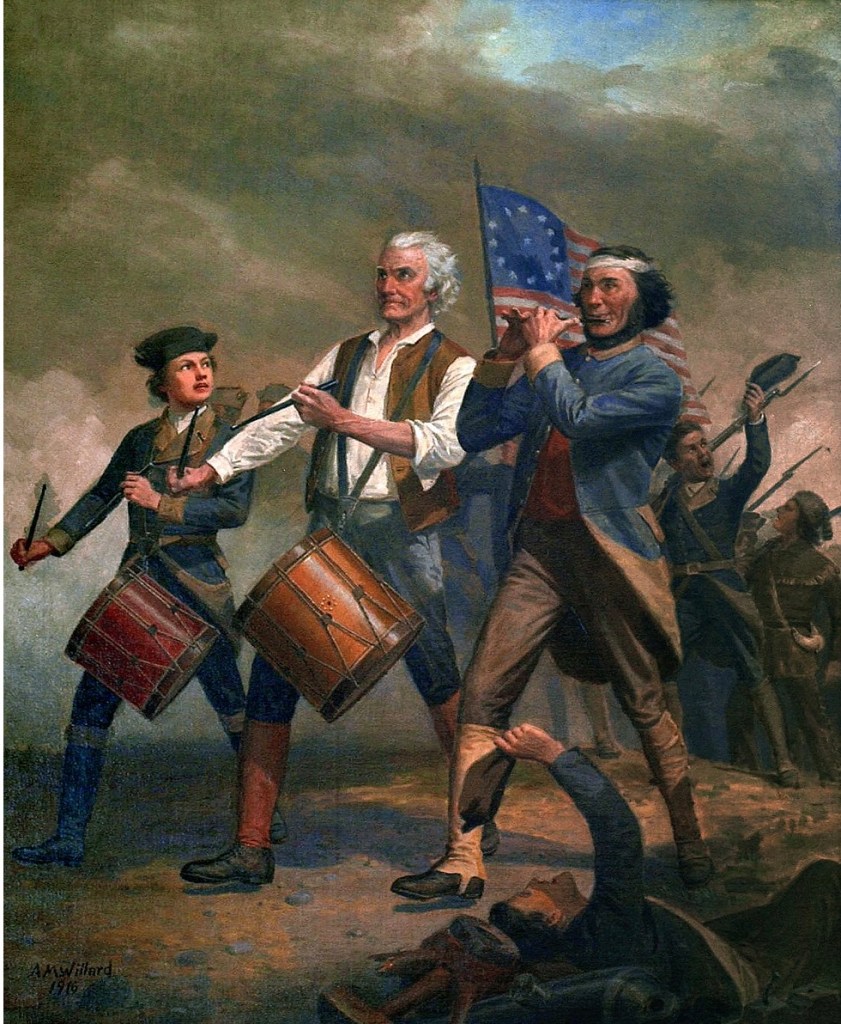
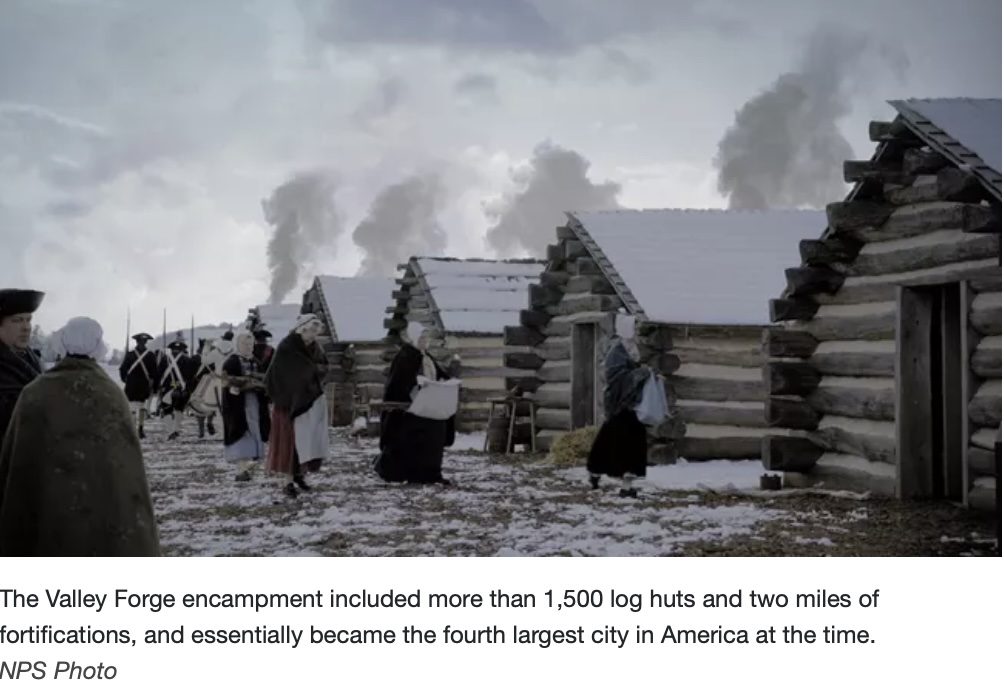
When I began my research into the patriarchal side of my family I had almost no knowledge of my father’s ancestry. I can now say with confidence that Minutemen, a Matross, Artillerymen, Artificers, Privates, Sergeants, Lieutenants, Captains and a Committee of Public Safety member fill my list of the over 20 direct ancestral Revolutionary War ancestors in my family who fought in the Revolution from day one at the Battle of Bunker Hill, survived winter at Valley Forge, and fought on to the Colonial victory at Yorktown.

It is tragic that most people in the U.S. have only scantly more knowledge of their ancestry than their pet dog has of its pedigree. If you doubt that look at the typical family tree on Ancestry.com. Until a few years ago I was no exception to that. We should all have a good grasp of where we come from and who came before us, their struggles and their accomplishments. Through knowing our ancestors we may better understand ourselves and our own circumstances.
It used to be tremendously difficult to explore one’s ancestry. The process involved sifting through family rumors and writing letters to different states and their county clerks for wills, birth and death certificates. If one was extremely lucky one might happen on a family history in a library that could offer a clue to a past family member.
Time and circumstance strip people’s awareness of their past family histories but the veil on locating personal ancestry is now lifted. People can more easily trace their ancestors today. Family history books, county history books, helpful maps, many birth records and death records are all online. Wills and other legal documents are online waiting to be read. DNA testing results can blast open doors into the family past that have been nailed shut for generations. Much of the work tracing a family branch may have been done recently by others and may be waiting to be evaluated and validated for use in construction of your own family tree.

My own family history opened like an unread book when I was able to use the resources above to locate men in the family who had served in the Revolutionary War. Many of those men applied for pensions related to their service. Many of those pension applications are online and contain intriguing accounts of the soldiers’ lives, from service history to information about their movements and their family members. The information in those pension files combined with early New England records enabled my research to reach further back in time, all the way to the arrival of the soldiers’ ancestors to America a century or more prior to the Revolution. The genealogists at the Society of the Sons of the American Revolution can help you with this.
The techniques I learned researching these early America settlers were indispensable in researching more recent immigrants to North America who arrived in the late 1800’s. Learning how to search censuses, search for relevant documents like wills and birth and death certificates to ensure that I had the correct person, and learning how to search the Internet for documents and histories of all kinds can be applied to searching for recent immigrants.
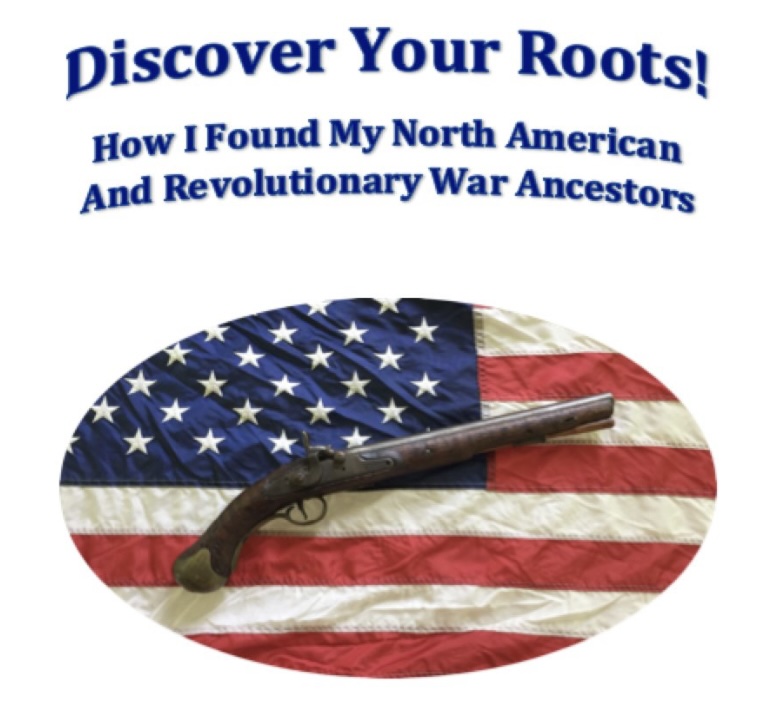
My first book, Discover Your Roots! How I found my North American and Revolutionary War Ancestors is packed with tips including how to use DNA in your search for your ancestry. My own search has been immensely rewarding on a personal level. I am able to recognize the efforts and sacrifices made by many of my family Revolutionary War ancestors in establishing our country, bringing to light their civic contributions and family histories. I shared my findings online with numerous distant cousins for their own personal enlightenment and enrichment so that this history lives on.

The 4th of July is for sparklers, watermelon and family get-togethers. It can also be for family discussion of those that participated in the founding of the country, if you know where to look and what to look for, so that those members of your family tree that participated in the victorious Revolution that we celebrate on July 4th are not forgotten.
Bruce A. Wright, Esq © 2024
 The Boating Genealogists